Yes, we use industry-standard SSL technology to keep your information secure. We partner with Stripe, the industry’s established payment provider trusted by some of the world’s largest companies. Your sensitive financial information never touches our servers. We send all data directly to Stripe’s PCI-compliant servers through SSL.

Niamh
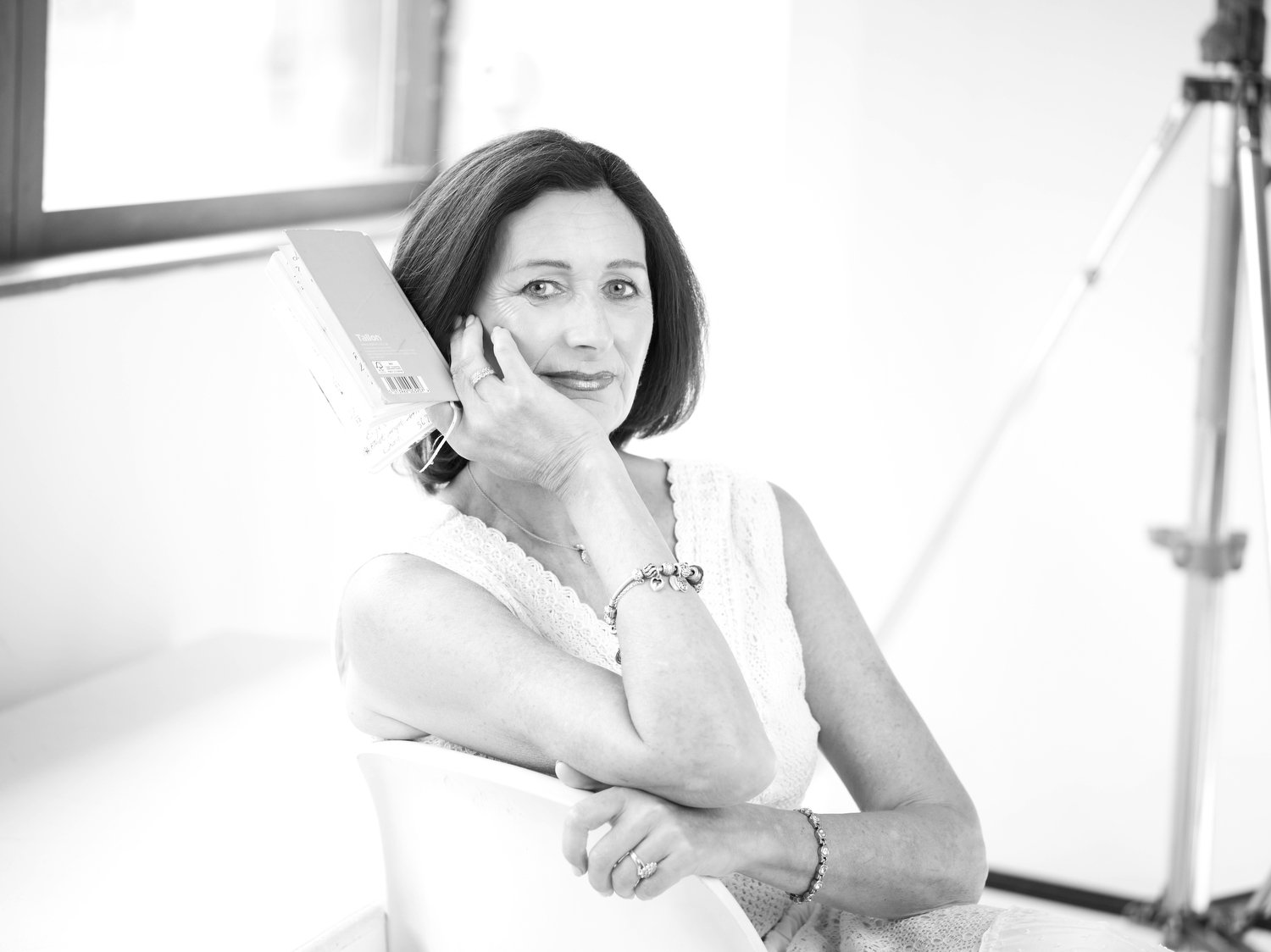
Niamh (45) a mother of 4 ranging in age from 6-15 years of age was diagnosed at 44 with stage 4 rectal cancer.
Niamh sought advice from her doctor when she noticed some concerning changes to her bowel habits. “I first noticed symptoms in October 2021. I wasn't going to the toilet as often and readily and I felt like I wasn't really finished when I did. I wasn't too concerned, as I thought it might be to do with being in menopause, or maybe I needed to alter my diet, otherwise I felt great, so I didn't pay much attention.”
There was also occasionally blood on the toilet paper after she had been to the toilet, and she was losing a lot of weight, these are additional signs and symptoms of bowel cancer.
“By December I began to feel a bit concerned, and still had the same symptoms, people were even commenting on my weight loss over Christmas. I was tired, and not eating as much as usual. I thought it might be my thyroid, celiac disease, or another bowel disease, but cancer certainly wasn't on my radar.
I went to my GP, who took my symptoms seriously and performed a manual exam and digital rectal exam, as well as ordering blood tests and referring me for a colonoscopy. A couple of weeks later the results came back, showing elevated liver enzymes which indicated possible gallbladder problems. Then when I had to a scope in February, it couldn't get past a mass in my rectum. It was then I was told that I would need urgent attention.
After a few more examinations, the oncologist confirmed that the mass was very large and cancerous, and I would need a stoma operation as soon as possible, along with further tests, to determine if it's spread elsewhere.”
2 weeks after her initial cancer diagnosis, Niamh discovered that the cancer had spread to her liver.
“When I was told I’d cancer, I felt strangely calm. I wasn't at all bothered about having a stoma and managed it very well from the start. During my hospital stay in March 2022 I struggled emotionally as there were no visitors allowed due to covid. This was hard when going through various tests and treatments. My mom came to stay for a bit when I recovered. I started Chemo on April 8th, and it was administered every 2 weeks. I completed 12 full cycles, and then had a further 3 with reduced dose for maintenance.”
Halfway through treatment Niamh was showing a good response from treatment but was not quite ready for surgery.
“My oncologist has always been so positive and encouraging. This has been an enormous help in keeping me feeling positive. I stayed very well throughout treatment and had no complications. I focussed on getting out as much as possible, eating well and going to acupuncture every 2 weeks and all of this definitely helped me get the best out of treatment”.
As she tries to adapt to living with cancer Niamh would advise anyone who has been diagnosed with metastatic or inoperable cancer to accept any support offered and try to live in the present.
“I think I had already expected it when the Gp got the results of the first blood test. I wasn't really shocked. As a family we went into let’s deal with it mode. I made sure to enjoy as much time with my husband and the kids as possible, particularly in the early days before chemo fatigue kicked in. We always maintained the feeling that I would just get through it as I’m known for being stubborn! If I had one piece of advice to give others it would listen to your body, don’t wait. I ignored my symptoms for too long, not realising that it could be bowel cancer. If you have any changes lasting more than a few weeks, please see your GP. Be aware that bowel cancer can happen at any age”.
“If I could just give any advice to someone who has just been diagnosed, I would say to let themselves feel whatever they feel. There is not one size fits all when it comes to feelings and diagnosis, and there is no right or wrong way to this. So, it's all valid. Find those who support you and accept the help. Counselling and therapy is wonderful and finding the support of The Marie Keating Foundation Positive Living Group has been incredibly helpful. I didn't think I was the kind of person who wanted to sit in a group with other people, like in a kind of support group. I didn't think that's what I wanted, but I did, and I thought there was something lovely about it. It was something really warm, propped up by good, solid advice because it's facilitated professionally so everybody gets something from it. I certainly do anyway, I look forward to our chats. It's a little bit like a wasteland after diagnosis and you're left like “where where's my tribe”, thankfully I found my tribe. Family and friends are fantastic but sometimes you just want to talk to someone going through a similar experience, who just gets it”.
The importance of connection and community found within The Positive Living Group has led Niamh and other colorectal cancer patients from the community start their own support community for anyone with any stage colorectal cancer to connect and share information and advice. The Irish Colorectal Community can be found on Instagram, Twitter and Facebook.