Diet & Nutrition after Bowel Cancer

Diet and Nutrition after Treatment

After bowel cancer treatment, your digestion needs time to settle. Whether you’ve had surgery, chemotherapy, or radiotherapy, you may experience temporary or permanent changes to how your bowel works. This guide helps you navigate that transition through careful “trial and error.”


Diet After Bowel Surgery

Immediately following surgery, you may be placed on a low-fibre diet for about six weeks to allow the bowel to heal. As things settle, you can gradually reintroduce fibre.

Low-Fibre Staples (Start Here)

  • White pasta, white bread, and white rice.
  • Cornflakes or Rice Krispies.
  • Peeled and well-cooked vegetables.
  • Lean meat, fish, and eggs (High protein for healing).
  • Rich tea biscuits or cream crackers.

Common “Upset” Foods

  • Onions, Brussels sprouts, and cabbage (Wind).
  • Baked beans, lentils, and pulses.
  • Fizzy drinks, beer, and lager.
  • Very rich, spicy, or fatty foods.
  • Excess caffeine (Can worsen diarrhoea).

Practical Eating Tips

  • Little and Often: Eat small, frequent meals rather than three large ones. Avoid long gaps between eating.
  • Chew Well: Take small mouthfuls and chew slowly to aid digestion.
  • Hydration: Drink 1.5 to 2 litres (3–4 pints) of water daily. If you have diarrhoea, consider electrolyte replacement drinks to restore body salts.
  • Wind Relief: Peppermint water or tea can help relieve trapped wind and discomfort.
The Food Diary: Keep a record of what you eat, when you eat it, and any symptoms. This helps you and your dietitian identify specific triggers so you don’t have to cut out foods unnecessarily.

Radiotherapy & Chemotherapy

Both treatments can cause significant digestive disruption:

  • Radiotherapy: Often causes diarrhoea that may last a few weeks post-treatment. If it persists beyond 6 weeks, contact your doctor.
  • Chemotherapy: Can cause nausea, diarrhoea, or a sore mouth. These effects are usually temporary and will subside once the course is finished.

Diet with a Stoma or Ileostomy

It takes 6–8 weeks for the bowel to settle. Most people eventually return to a completely normal diet, but there are specific considerations:

Ileostomy: Avoiding Blockages

Because the small bowel is narrower, certain high-fibre foods can cause a temporary blockage. Introduce these slowly and chew them very thoroughly:

  • Celery
  • Tough fruit skins
  • Nuts
  • Mushrooms
  • Sweetcorn

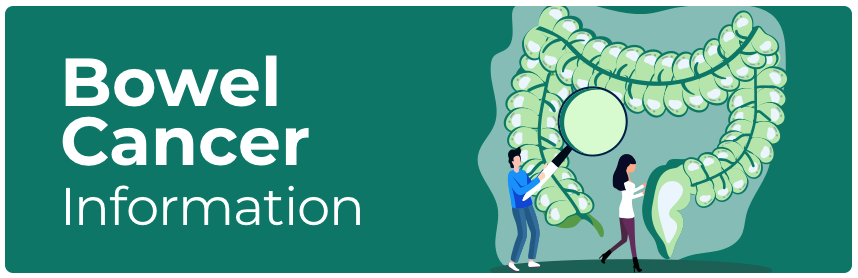
Colorectal cancer is also known as bowel cancer. Bowel cancer is cancer that starts in the large bowel (colon cancer) or back passage (rectal cancer).

According to the 2024 National Cancer Registry of Ireland (NCRI) report, around 2500 men and women are diagnosed with bowel cancer in Ireland every year 1052 men and  1047 women.

Explore our site to learn more about the condition and some helpful advice to support you at every step of your bowel cancer journey.

'Bowel Cancer: From diagnosis to recovery' is a free booklet that is available for download from the Marie Keating Foundation

01

What You Should Know

A statistical and preventative overview of bowel cancer in Ireland, detailing its prevalence, risk factors, and the specific lifestyle changes that can help reduce its occurrence.

Learn more
02

How Bowel Cancer Affects You

A broad roadmap for navigating a bowel cancer diagnosis, covering the essential practical, medical, and emotional steps—from understanding your treatment options to managing the systemic side effects of chemotherapy.

Learn more
03

Feelings & Emotions

An overview of the emotional journey associated with a cancer diagnosis—from shock and denial to the unique challenges of finishing treatment.

Learn more
04

Bowel Cancer Support

You will come across a variety of medical and other professionals who will provide you with care, support and advice.

Learn more
05

What Is Bowel Cancer

A technical and diagnostic overview of Bowel Cancer, detailing the biological symptoms, the standardized systems used for staging (TNM), and how doctors determine the severity (grade) of the disease.

Learn more
06

Bowel Cancer & Exercise

The vital role of physical activity and nutrition in recovering from bowel cancer, featuring expert advice on how tailored exercise can combat fatigue and significantly reduce the risk of recurrence.

Learn more
07

Fatigue

The reality of cancer-related fatigue, distinguishing it from everyday tiredness and offering practical, energy-saving “life hacks” to help patients navigate daily tasks during and after treatment.

Learn more
08

Side Effects

The sensitive physical and intimate challenges following bowel cancer surgery and radiotherapy, specifically focusing on life with a stoma, body image, and long-term sexual health.

Learn more
09

Bowel Screening

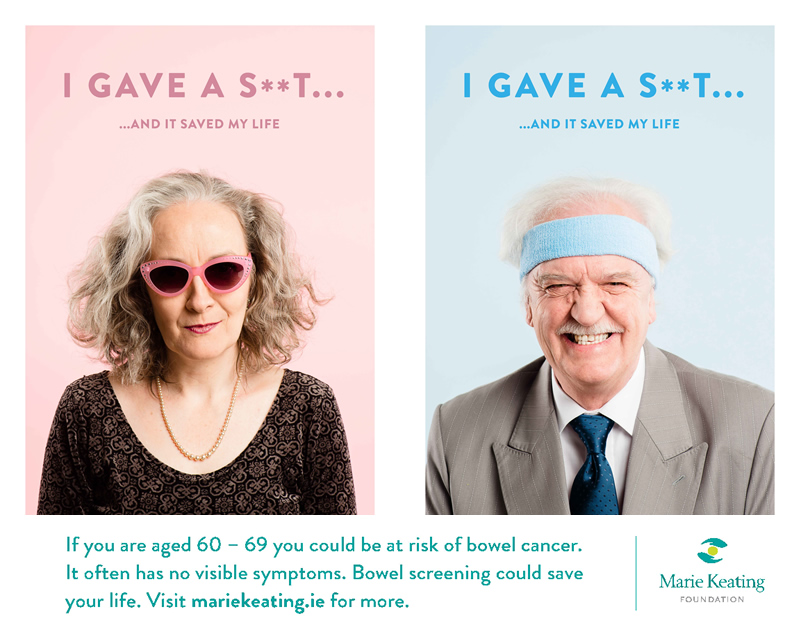
Learn about the BowelScreen program in Ireland, how the free at-home testing kit works and why regular screening is vital for early detection of bowel cancer.

Learn more
10

Advanced Bowel Cancer

The concept of advanced and recurrent bowel cancer, clarifying how the disease spreads locally or to distant organs while highlighting why its origin remains the primary factor in treatment.

Learn more
11

Diet & Nutrition

Dietary advice for patients recovering from bowel cancer treatments, focusing on managing digestive changes, wind, and diarrhea through trial-and-error and specialized eating habits.

Learn more
12

Returning to Work

Legal and practical advice for returning to work with a personal survivor story, highlighting the balance between professional rights and the long emotional and physical recovery period.

Learn more
13

Coping with Terminal Bowel Cancer

Understanding what to expect can help you and your loved ones find a sense of peace and preparation.

Learn more
Bowel Cancer Symptoms are Easily Missed — 2026

Bowel Cancer Symptoms are Easily Missed — 2026

#NoRegrets — 2025

#NoRegrets — 2025

Talk Sh!t — 2025

Talk Sh!t — 2025

#NoRegrets — 2024

#NoRegrets — 2024

#NoRegrets — 2023

#NoRegrets — 2023

Join the Bowel Movement — 2022

Join the Bowel Movement — 2022

DONATE