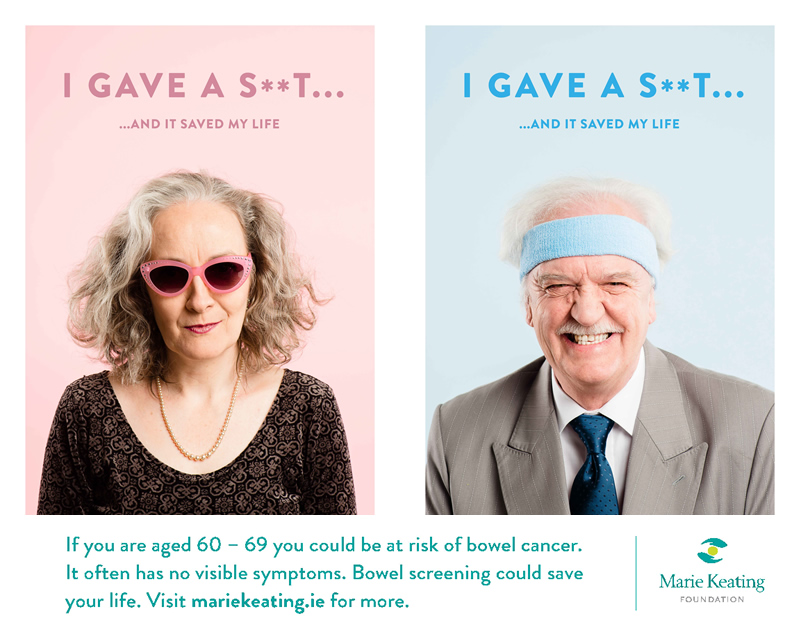
Bowel Cancer Screening

Bowel Screening Programme

Bowel Screening

Bowel screening aims to find cancer at an early stage in people who have no symptoms. It uses a simple home test called a FIT (Faecal Immunochemical Test).


What is the BowelScreen Programme?

The National Bowel Screening Programme sends a free invitation to men and women aged 57 to 71 every two years. Taking part regularly increases the chance that if cancer is present, it is found when it is much easier to treat successfully.

Early Detection Saves Lives: Screening can also find polyps—small growths that aren’t cancer yet but could turn into cancer over time. If found, they can be easily removed.

Taking Part in BowelScreen

Getting your free at-home test kit is easier than ever. If you are aged 57–71, you can:

Online at hse.ie

  • Check if you are on the register
  • Update your address details
  • Request your free home kit

Visit HSE BowelScreen

Phone & Email

Freephone: 1800 45 45 55
(Mon–Fri, 9am–6pm)

Email: info@bowelscreen.ie


How to Use Your Home Test Kit

The test takes less than 5 minutes and is done in the privacy of your own bathroom.

  1. Collect: Scrape the sampling stick on your poo until the end is covered.
  2. Secure: Put the sample stick back into the tube and seal it.
  3. Bag: Put the tube inside the provided plastic bag and seal it.
  4. Date: Write the date of collection on the outside of the bag.
  5. Post: Use the pre-paid envelope. Post it the same day or the next morning.

Your Results

You will receive a letter with your results within four weeks. Here is what they mean:

ResultWhat happens next?
Normal (95%)No blood was found. You will be invited to test again in two years.
Trace of BloodThis doesn’t always mean cancer, but you will be offered a colonoscopy at a hospital to find the cause.

Important: If you have symptoms

Do not wait for a screening invitation if you have concerns or are experiencing changes in your bowel habits. Screening is for people without symptoms. If you feel something is wrong, contact your GP immediately.

Information provided by BowelScreen. For more, visit www.bowelscreen.ie.
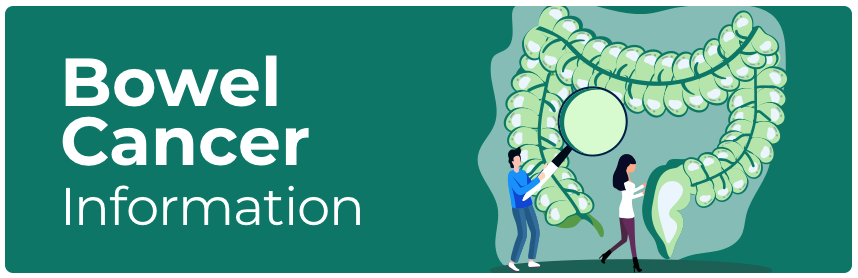
Colorectal cancer is also known as bowel cancer. Bowel cancer is cancer that starts in the large bowel (colon cancer) or back passage (rectal cancer).

According to the 2024 National Cancer Registry of Ireland (NCRI) report, around 2500 men and women are diagnosed with bowel cancer in Ireland every year 1052 men and  1047 women.

Explore our site to learn more about the condition and some helpful advice to support you at every step of your bowel cancer journey.

'Bowel Cancer: From diagnosis to recovery' is a free booklet that is available for download from the Marie Keating Foundation

01

What You Should Know

A statistical and preventative overview of bowel cancer in Ireland, detailing its prevalence, risk factors, and the specific lifestyle changes that can help reduce its occurrence.

Learn more
02

How Bowel Cancer Affects You

A broad roadmap for navigating a bowel cancer diagnosis, covering the essential practical, medical, and emotional steps—from understanding your treatment options to managing the systemic side effects of chemotherapy.

Learn more
03

Feelings & Emotions

An overview of the emotional journey associated with a cancer diagnosis—from shock and denial to the unique challenges of finishing treatment.

Learn more
04

Bowel Cancer Support

You will come across a variety of medical and other professionals who will provide you with care, support and advice.

Learn more
05

What Is Bowel Cancer

A technical and diagnostic overview of Bowel Cancer, detailing the biological symptoms, the standardized systems used for staging (TNM), and how doctors determine the severity (grade) of the disease.

Learn more
06

Bowel Cancer & Exercise

The vital role of physical activity and nutrition in recovering from bowel cancer, featuring expert advice on how tailored exercise can combat fatigue and significantly reduce the risk of recurrence.

Learn more
07

Fatigue

The reality of cancer-related fatigue, distinguishing it from everyday tiredness and offering practical, energy-saving “life hacks” to help patients navigate daily tasks during and after treatment.

Learn more
08

Side Effects

The sensitive physical and intimate challenges following bowel cancer surgery and radiotherapy, specifically focusing on life with a stoma, body image, and long-term sexual health.

Learn more
09

Bowel Screening

Learn about the BowelScreen program in Ireland, how the free at-home testing kit works and why regular screening is vital for early detection of bowel cancer.

Learn more
10

Advanced Bowel Cancer

The concept of advanced and recurrent bowel cancer, clarifying how the disease spreads locally or to distant organs while highlighting why its origin remains the primary factor in treatment.

Learn more
11

Diet & Nutrition

Dietary advice for patients recovering from bowel cancer treatments, focusing on managing digestive changes, wind, and diarrhea through trial-and-error and specialized eating habits.

Learn more
12

Returning to Work

Legal and practical advice for returning to work with a personal survivor story, highlighting the balance between professional rights and the long emotional and physical recovery period.

Learn more
13

Coping with Terminal Bowel Cancer

Understanding what to expect can help you and your loved ones find a sense of peace and preparation.

Learn more
Bowel Cancer Symptoms are Easily Missed — 2026

Bowel Cancer Symptoms are Easily Missed — 2026

#NoRegrets — 2025

#NoRegrets — 2025

Talk Sh!t — 2025

Talk Sh!t — 2025

#NoRegrets — 2024

#NoRegrets — 2024

#NoRegrets — 2023

#NoRegrets — 2023

Join the Bowel Movement — 2022

Join the Bowel Movement — 2022

DONATE